Titanium Lead Times Are Settling, but Not Where Buyers Expect
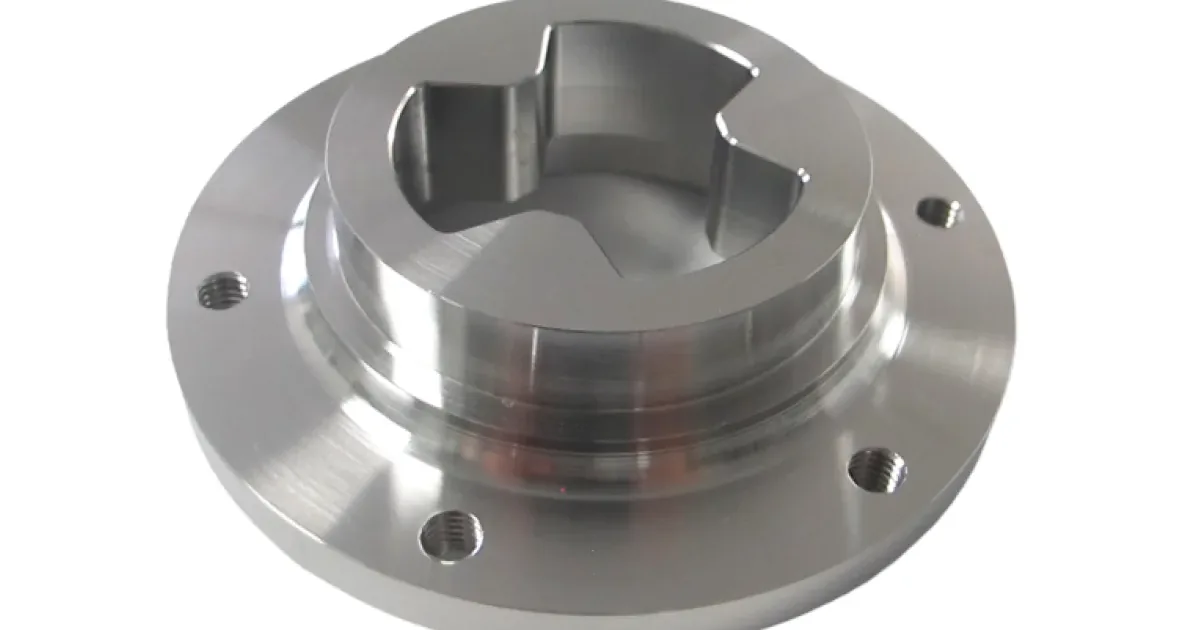
Grade 5 (Ti-6Al-4V) is the workhorse titanium alloy — and the one whose machining economics buyers most often misjudge
Mill lead times on common titanium grades have normalised from the 2024–2025 peak. What has not normalised is the machining-side queue — and that is where your delivery date is actually decided.
The Two-Stage Problem
A titanium part has two lead times, and they behave differently. The first is material procurement — getting billet or bar of the right grade, temper and size. The second is machining — the queue time, consumable life and process discipline the material demands.
For the last two years the first stage dominated the conversation, because titanium billet allocation was genuinely tight and buyers were quoting around allocation queues they had no control over. That has largely settled. If you are still quoting titanium delivery around mill allocation, you are quoting against a bottleneck that has moved.
What the Material Itself Costs You
The reason titanium is different is thermal. During machining, the heat generated at the cutting edge cannot dissipate into the chip or workpiece fast enough. The temperature at the tool-chip interface can exceed 1,000°C even at modest cutting speeds. That is the primary cause of most titanium machining failures, and it drives three costs that show up in your quote:
| Factor | Titanium | Steel (reference) |
|---|---|---|
| Carbide insert life | 15–30 min | 60–90 min |
| Tooling cost per part | 3–5x steel | 1x baseline |
| Minimum coolant flow | 15–20 L/min through the cutting zone | Substantially lower |
| High-pressure coolant | 70–150 bar recommended for deep drilling and boring | Optional |
Read the insert life row twice. A carbide insert that runs 60–90 minutes in steel lasts 15–30 minutes in titanium. That is not a 2x adjustment to account for — it is a completely different consumable economy, and it changes what the part actually costs to make.
Why Steel Parameters on Titanium Fail
The single most expensive mistake we see is running steel cutting parameters on titanium. Mild steel at 90–120 m/min generates tool temperatures above 1,200°C on titanium. The result is not a slow part. It is instant tool failure, a work-hardened surface layer that will fail fatigue testing, and a part that has to be scrapped.
The fix is not subtle: lower cutting speeds, high coolant flow, and high-pressure coolant for deep features. This is why a shop that runs titanium well and a shop that does not can quote the same drawing at very different prices. You are not just buying machine hours. You are buying process discipline.
Where the Time Actually Goes
For a standard Grade 5 part, our standard lead time is 10–15 days depending on complexity and quantity, with expedited service at 5–7 days for urgent requirements. Titanium machining requires additional time because of the material characteristics above.
But for medical and regulated work, the machining is not the longest pole. On a titanium implant, the timeline breaks down roughly like this:
- DFM review and formal quote — medical review adds 2–3 days over a standard part, because the material certificate and the regulatory framing both need review
- Machining — 5-axis simultaneous with high-pressure coolant, frequent tool changes
- Surface treatment and passivation — ASTM F86 nitric acid passivation removes contaminants embedded during machining
- Biocompatibility testing — ISO 10993 alone takes 7–10 days at the test lab, and a full battery runs $5,000–15,000
- Documentation — DHR, labelling (UDI), IFU and technical file excerpts
The Lever Buyers Do Not Pull
Here is the finding worth acting on. The biggest timeline variable is regulatory documentation, not the metal. If the customer has an established quality system and can provide their DHR template, IFU format and UDI requirements upfront, 2–3 weeks can be shaved off the total.
That is not something a machine shop can fix. It is something a buyer fixes, by arriving with their documentation requirements settled. If you are quoting a titanium medical part and your lead time looks long, the first question is not "how fast can you machine it". It is "how long will it take us to agree the paperwork format".
What to Ask a Titanium Supplier
Regardless of who you buy from, these four questions separate shops that run titanium properly from shops that are learning on your part:
- What insert life do you actually get on this part? — a number in minutes, from recent jobs on similar geometry
- What coolant pressure and flow do you run? — the answer should include a number above 70 bar if there are deep features
- How do you handle the heat-affected surface layer? — there is a strategy for this; if there is not, the fatigue properties are a gamble
- What is on the critical path in your quote? — machining, testing, or documentation? The answer tells you where to focus
The Summary
Titanium mill lead times have normalised. If you are still quoting around allocation queues, stop — you are planning around a constraint that has moved.
What has not changed is that titanium machining is a specialist operation with a different cost structure: inserts that last a third as long, tooling costs three to five times steel, and coolant requirements that are not optional. Shops that have those processes dialled in quote it efficiently. Shops that do not quote it as a risk.
And for regulated applications, remember where the time actually goes. The metal is rarely the bottleneck. The paperwork is. Bring your DHR template and your UDI requirements to the first conversation, and you will take two to three weeks out of a delivery that looked immovable.