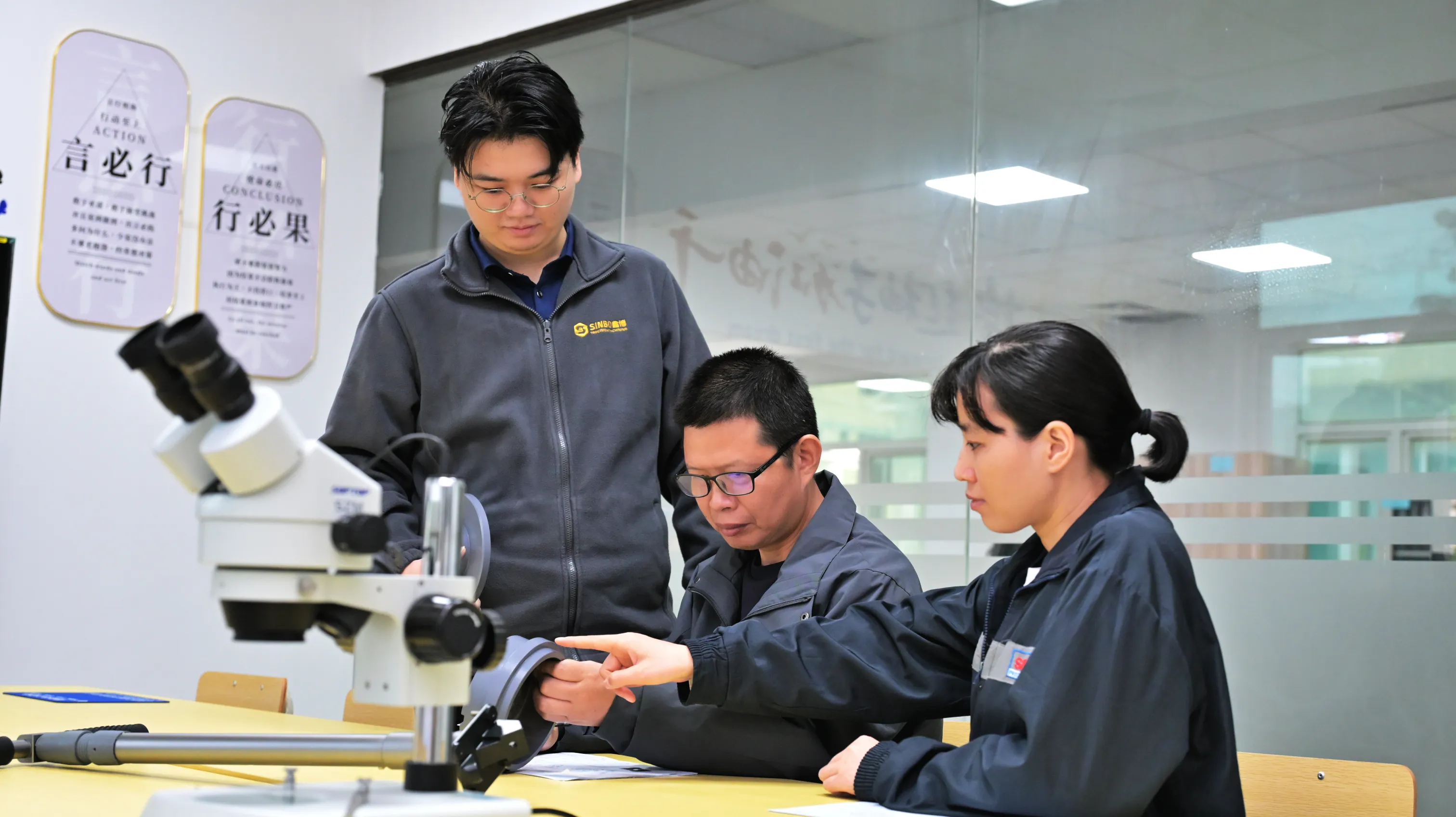
Low Volume Manufacturing Guide for Startups: From Prototype to Production
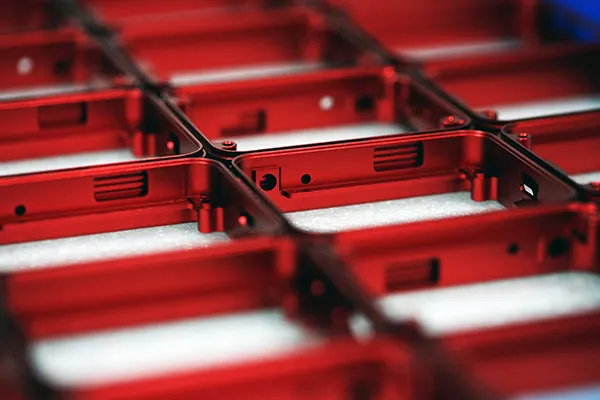
Low volume manufacturing enables startups to scale production cost-effectively
For startups and entrepreneurs, transitioning from prototype to production is a critical milestone that can make or break a business. Low volume manufacturing offers the perfect bridge between prototyping and mass production, allowing startups to bring products to market quickly while managing costs and risks effectively. This comprehensive guide explores everything startups need to know about low volume manufacturing.
What is Low Volume Manufacturing?
Low volume manufacturing refers to the production of small quantities of parts or products, typically ranging from 100 to 10,000 units. This production method fills the gap between prototyping (where you might produce 1-50 units for testing) and mass production (where you might produce hundreds of thousands or millions of units).
Low volume manufacturing is particularly valuable for startups because it allows companies to:
- Test the market with real products before committing to mass production
- Generate revenue and cash flow while scaling operations
- Validate product designs and manufacturing processes
- Build brand awareness and customer relationships
- Minimize financial risk by avoiding large upfront investments
Benefits of Low Volume Manufacturing for Startups
1. Reduced Financial Risk
One of the most significant advantages of low volume manufacturing is the reduced financial risk. Traditional mass production requires substantial upfront investment in tooling, molds, and inventory. Low volume manufacturing minimizes these risks by:
- Lower initial investment compared to mass production tooling
- Smaller inventory commitments reduce carrying costs
- Ability to adjust production based on actual market demand
- Reduced risk of unsold inventory if product doesn't meet expectations
- Preservation of capital for other business priorities
2. Faster Time to Market
Speed is critical for startups, and low volume manufacturing enables faster time to market by:
- Reduced tooling and setup time compared to mass production
- Quick production turnaround (often 1-2 weeks)
- Ability to respond quickly to market feedback and trends
- Shorter lead times for design changes and iterations
- Opportunity to capture market share before competitors
3. Market Validation
Low volume manufacturing provides an excellent opportunity for market validation by allowing startups to:
- Test product-market fit with actual customers
- Gather valuable feedback on product features and quality
- Validate pricing strategies in real market conditions
- Identify and address product issues before scaling
- Build customer relationships and brand loyalty early
4. Flexibility and Adaptability
Startups often need to pivot and adapt quickly based on market feedback. Low volume manufacturing offers the flexibility to:
- Make design changes without significant retooling costs
- Adjust production quantities based on demand
- Test multiple product variations simultaneously
- Respond to customer feedback with rapid improvements
- Scale up or down production as business needs change
5. Quality Improvement
Low volume manufacturing allows startups to focus on quality improvement by:
- Identifying and addressing quality issues early
- Refining manufacturing processes before scaling
- Implementing quality control measures gradually
- Building supplier relationships and quality standards
- Establishing best practices for future mass production
Low Volume Manufacturing Technologies
Various manufacturing technologies are suitable for low volume production, each with unique advantages and applications:
CNC Machining
CNC machining is ideal for low volume production of precision parts from metals and plastics. Benefits include:
- High precision and tight tolerances
- Excellent surface finish
- Wide range of materials including aluminum, steel, and plastics
- Fast setup and production times
- No tooling required for most applications
- Ideal for complex geometries and precision components
Injection Molding with Rapid Tooling
Injection molding with rapid tooling bridges the gap between prototyping and mass production. Advantages include:
- Lower tooling costs compared to traditional molds
- Faster tooling lead times (2-4 weeks vs. 8-12 weeks)
- Production-quality parts in actual production materials
- Cost-effective for quantities of 500-10,000 parts
- Excellent for plastic parts with complex geometries
- Consistent part quality across production runs
3D Printing (Additive Manufacturing)
3D printing is increasingly viable for low volume production, especially for:
- Complex geometries impossible with traditional manufacturing
- Customized and personalized products
- Low quantities where tooling costs are prohibitive
- Rapid iteration and design changes
- Functional prototypes and end-use parts
- Lightweight structures and optimized designs
Vacuum Casting
Vacuum casting is suitable for low volume production of plastic parts with excellent detail. Benefits include:
- Excellent surface detail and finish
- Wide range of polyurethane materials
- Cost-effective for quantities of 10-500 parts
- Fast production from silicone molds
- Good for appearance models and functional testing
- Lower tooling costs compared to injection molding
When to Use Low Volume Manufacturing
Understanding when to use low volume manufacturing is crucial for startup success. Consider low volume manufacturing when:
Early Stage Product Launch
When launching a new product, low volume manufacturing allows you to:
- Test the market with limited financial risk
- Generate initial sales and customer feedback
- Build brand awareness and market presence
- Validate business model and pricing strategy
- Establish supply chain and manufacturing relationships
Market Testing and Validation
Use low volume manufacturing to validate market assumptions by:
- Testing different product variations with customers
- Evaluating customer response to product features
- Assessing market demand before committing to mass production
- Gathering feedback on product quality and usability
- Refining marketing messages and positioning
Bridge Production
Bridge production fills the gap between prototyping and mass production by:
- Meeting initial customer demand while preparing for mass production
- Generating revenue during the transition period
- Validating manufacturing processes and quality systems
- Training production teams and establishing workflows
- Building inventory for product launch and marketing
Niche and Custom Products
Low volume manufacturing is ideal for niche and custom products because:
- Small market sizes don't justify mass production
- Customization requirements vary by customer
- Specialized applications have limited demand
- High-value products can support lower production volumes
- Customized solutions command premium pricing
Planning for Low Volume Manufacturing
Successful low volume manufacturing requires careful planning and preparation. Key considerations include:
Design for Manufacturability (DFM)
Design for manufacturability ensures your product can be manufactured efficiently and cost-effectively. Consider:
- Material selection based on manufacturing process and performance requirements
- Part geometry optimized for chosen manufacturing technology
- Tolerance requirements balanced with manufacturing capabilities and costs
- Assembly design for efficient production
- Surface finish requirements appropriate for application and budget
Cost Analysis
Conduct a thorough cost analysis to understand the economics of low volume manufacturing:
- Calculate per-unit costs at different production volumes
- Compare tooling costs across different manufacturing methods
- Evaluate material costs and availability
- Factor in quality control and inspection costs
- Consider shipping and logistics costs
Timeline Planning
Develop a realistic timeline for low volume manufacturing:
- Allow time for design review and DFM feedback
- Include tooling or setup time in your schedule
- Plan for first article inspection and approval
- Build in buffer time for unexpected delays
- Coordinate production with marketing and sales launch
Quality Planning
Establish quality requirements and inspection processes:
- Define quality specifications and acceptance criteria
- Establish inspection procedures and frequency
- Plan for first article inspection and production validation
- Document quality issues and corrective actions
- Implement traceability for critical components
Choosing a Low Volume Manufacturing Partner
Selecting the right manufacturing partner is crucial for startup success. When evaluating partners, consider:
Capabilities and Expertise
Ensure the manufacturer has the capabilities and expertise for your product:
- Experience with your industry and product type
- Appropriate manufacturing technologies and equipment
- Material expertise and sourcing capabilities
- Engineering support and DFM expertise
- Quality systems and certifications
Production Capacity and Flexibility
Evaluate the manufacturer's capacity and flexibility:
- Ability to handle your current and future production needs
- Flexibility to adjust production quantities based on demand
- Capacity for rapid scaling if product succeeds
- Multiple production locations for risk mitigation
- Backup plans for supply chain disruptions
Communication and Collaboration
Strong communication and collaboration are essential:
- Responsive and accessible project management
- Clear and regular communication throughout production
- Willingness to provide engineering feedback and suggestions
- Transparency about challenges and potential issues
- Collaborative problem-solving approach
Cost and Value
Evaluate cost in the context of overall value:
- Competitive pricing for your production volume
- Transparent pricing with no hidden costs
- Value-added services such as assembly and packaging
- Payment terms that work for your cash flow
- Return on investment considering quality and reliability
Scaling from Low Volume to Mass Production
Many startups eventually transition from low volume to mass production. Planning for this transition includes:
Design Optimization
Optimize your design for mass production efficiency:
- Simplify designs to reduce part count and assembly time
- Standardize components across product variations
- Optimize tolerances for mass production capabilities
- Design for automated assembly where possible
- Consider material substitutions for cost reduction
Process Standardization
Standardize processes for consistent mass production:
- Document all manufacturing processes and procedures
- Establish standard work instructions
- Implement statistical process control
- Train production teams on standardized processes
- Establish quality control checkpoints
Supply Chain Development
Build a robust supply chain for mass production:
- Establish relationships with multiple suppliers
- Secure long-term material supply agreements
- Develop backup suppliers for critical components
- Implement inventory management systems
- Plan for logistics and distribution
Common Pitfalls to Avoid
Avoid these common mistakes when implementing low volume manufacturing:
- Skipping DFM review: Not conducting design for manufacturability review can lead to costly redesigns and production issues.
- Underestimating costs: Failing to account for all costs including tooling, quality control, and logistics can impact profitability.
- Rushing to production: Insufficient testing and validation can result in quality issues and customer dissatisfaction.
- Ignoring quality: Compromising on quality to save costs can damage brand reputation and lead to expensive recalls.
- Overcommitting production: Producing more units than market demand can tie up capital and lead to excess inventory.
- Choosing the wrong partner: Selecting a manufacturer without proper due diligence can result in quality issues and delays.
- Lack of contingency planning: Not having backup plans for supply chain disruptions or production issues can create business risks.
"Low volume manufacturing provides startups with the perfect balance between risk and opportunity. By starting small and scaling based on market validation, startups can build sustainable businesses while minimizing financial risk. The key is to plan carefully, choose the right partners, and remain flexible as you learn from the market."
Conclusion
Low volume manufacturing is an essential strategy for startups looking to bring products to market quickly and cost-effectively. By understanding the benefits, technologies, and best practices outlined in this guide, startups can successfully navigate the transition from prototype to production.
The key to success lies in careful planning, choosing the right manufacturing partner, and remaining flexible as you learn from the market. Low volume manufacturing provides the perfect bridge between prototyping and mass production, enabling startups to validate their business model, generate revenue, and build the foundation for future growth.
Partnering with an experienced low volume manufacturing provider like Sinbo Precision ensures that you have access to the expertise, capabilities, and support needed to succeed in your manufacturing journey.