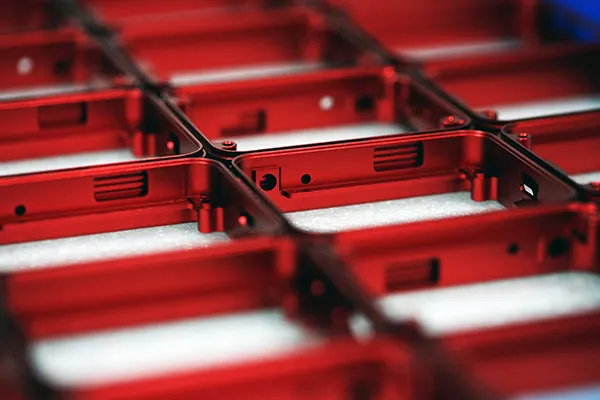
Rapid Prototyping Benefits for Product Development: Accelerating Innovation and Reducing Time to Market
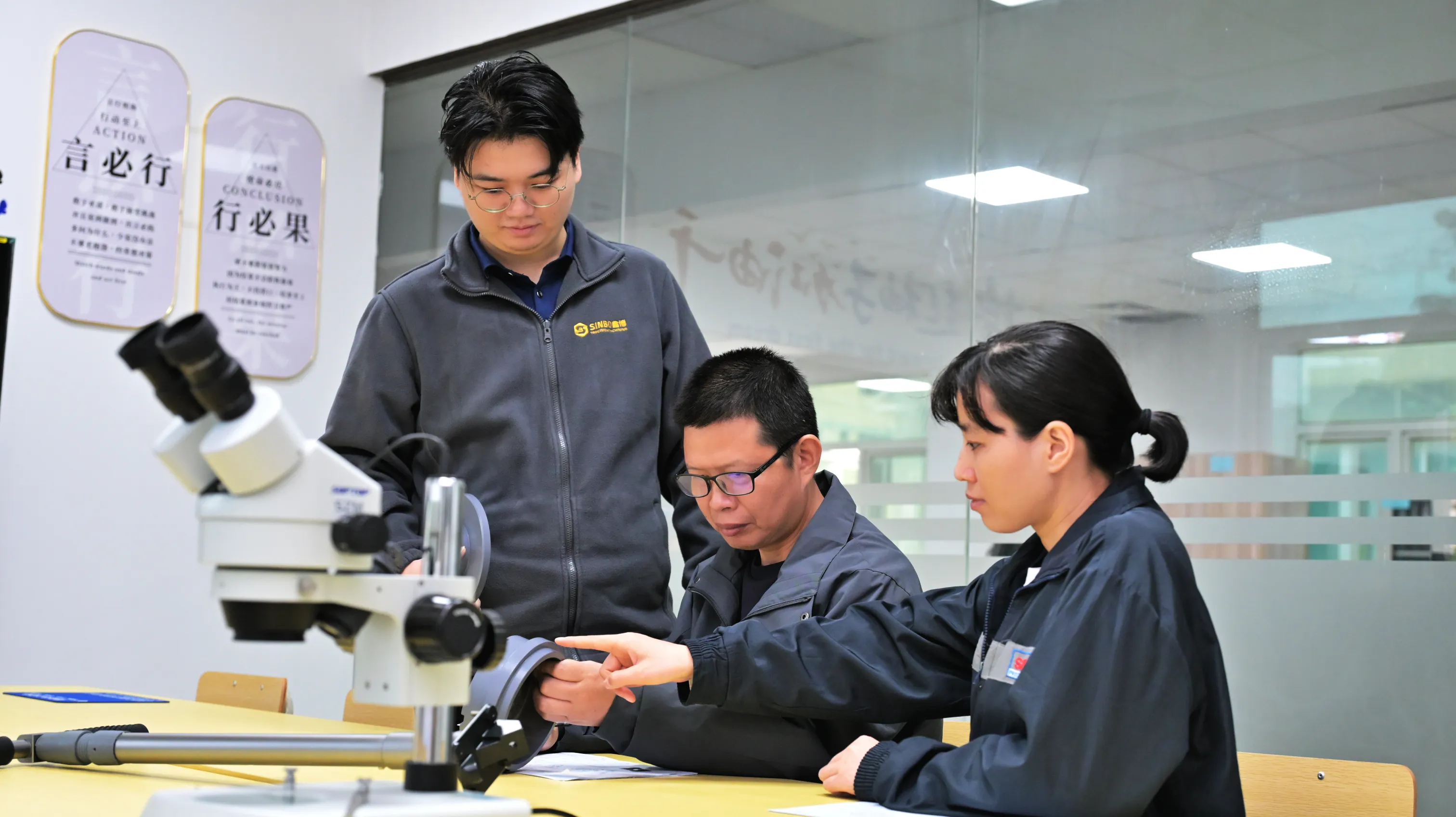
Rapid prototyping enables fast iteration and validation of product designs
In today's fast-paced business environment, bringing innovative products to market quickly is crucial for maintaining a competitive edge. Rapid prototyping has emerged as a game-changing technology that transforms product development by enabling faster iteration, reduced costs, and improved product quality. This comprehensive guide explores the numerous benefits of rapid prototyping and how it can accelerate your product development process.
What is Rapid Prototyping?
Rapid prototyping is a group of techniques used to quickly fabricate a scale model of a physical part or assembly using three-dimensional computer-aided design (CAD) data. The process involves creating prototypes layer by layer using various manufacturing technologies, including 3D printing, CNC machining, vacuum casting, and rapid tooling.
Unlike traditional manufacturing methods that require expensive tooling and long lead times, rapid prototyping enables designers and engineers to produce functional prototypes in days rather than weeks or months. This accelerated timeline allows for faster design validation, testing, and iteration throughout the product development lifecycle.
Key Benefits of Rapid Prototyping for Product Development
1. Accelerated Time to Market
One of the most significant benefits of rapid prototyping is the dramatic reduction in time to market. Traditional product development cycles could take months or even years from concept to production. With rapid prototyping, companies can:
- Produce initial prototypes within 1-3 days
- Conduct multiple design iterations in weeks instead of months
- Test and validate designs quickly
- Move from concept to production faster than ever before
This accelerated timeline enables companies to respond to market demands quickly, capitalize on emerging opportunities, and stay ahead of competitors.
2. Cost Reduction
Rapid prototyping significantly reduces development costs by eliminating expensive tooling and minimizing rework. Traditional manufacturing requires costly molds and dies, which can cost tens of thousands of dollars. Rapid prototyping offers several cost-saving advantages:
- Elimination of expensive tooling for initial prototypes
- Reduced material waste through optimized designs
- Early detection of design flaws prevents costly rework
- Lower inventory costs with on-demand production
- Reduced labor costs through automated processes
By identifying and addressing design issues early in the development process, companies can avoid expensive changes during mass production.
3. Improved Design Quality and Functionality
Rapid prototyping enables designers and engineers to test and validate designs thoroughly before committing to mass production. This iterative approach leads to improved product quality and functionality:
- Functional testing of prototypes reveals design weaknesses
- Ergonomic testing ensures user-friendly designs
- Performance testing validates product capabilities
- Material testing identifies optimal material choices
- Assembly testing verifies manufacturability
The ability to create multiple iterations quickly allows teams to refine designs based on real-world testing and feedback, resulting in superior final products.
4. Enhanced Communication and Collaboration
Physical prototypes serve as powerful communication tools that bridge the gap between design concepts and reality. Rapid prototyping facilitates better collaboration among stakeholders:
- Designers can communicate ideas more effectively with physical models
- Engineers can validate technical requirements with functional prototypes
- Marketing teams can evaluate product aesthetics and market appeal
- Investors and stakeholders can see and touch tangible representations
- Customers can provide feedback on actual products rather than concepts
This enhanced communication reduces misunderstandings and ensures that all stakeholders share a common vision of the final product.
5. Risk Reduction
Rapid prototyping significantly reduces development risk by enabling early validation of design assumptions. By identifying potential issues early, companies can:
- Detect design flaws before investing in expensive tooling
- Validate technical feasibility early in the development process
- Test market acceptance with functional prototypes
- Identify manufacturing challenges before production
- Reduce the likelihood of product recalls and failures
This risk mitigation approach protects investments and ensures that products meet quality and performance requirements before reaching the market.
6. Flexibility and Customization
Rapid prototyping offers unparalleled flexibility in design iteration and customization. Unlike traditional manufacturing methods that require new tooling for design changes, rapid prototyping enables:
- Quick design modifications without additional tooling costs
- Customized prototypes for specific testing requirements
- Multiple design variations for comparison and selection
- Personalized products for customer-specific applications
- Low-volume production for niche markets
This flexibility allows companies to explore design alternatives and respond to changing requirements without significant cost or time penalties.
Rapid Prototyping Technologies
Various rapid prototyping technologies are available, each with unique advantages and applications. Understanding these technologies helps in selecting the most appropriate method for your project:
3D Printing (Additive Manufacturing)
3D printing builds parts layer by layer from digital models, offering exceptional design freedom and fast turnaround times. Benefits include:
- Complex geometries impossible with traditional manufacturing
- Fast production of visual and functional prototypes
- Low material waste
- Wide range of materials including plastics, metals, and composites
- Ideal for concept models and form-fit testing
CNC Machining Prototyping
CNC machining removes material from a workpiece using computer-controlled tools, providing high precision and excellent surface finish. Advantages include:
- High accuracy and tight tolerances
- Excellent surface finish
- Wide range of materials including metals and plastics
- Functional prototypes with production-like properties
- Ideal for functional testing and performance validation
Vacuum Casting
Vacuum casting uses silicone molds to produce multiple copies of a prototype, offering excellent detail and surface finish. Benefits include:
- Production of multiple parts from a single master pattern
- Excellent surface detail and finish
- Wide range of polyurethane materials
- Cost-effective for small batch production
- Ideal for appearance models and functional testing
Rapid Tooling
Rapid tooling creates molds and dies quickly using advanced manufacturing techniques, enabling bridge production and low-volume manufacturing. Advantages include:
- Faster mold production compared to traditional tooling
- Lower initial investment for production tooling
- Ability to produce parts in production materials
- Bridge production between prototyping and mass production
- Ideal for pilot production and market testing
Applications of Rapid Prototyping
Rapid prototyping finds applications across virtually every industry, enabling innovation and efficiency in product development:
Automotive Industry
Automotive manufacturers use rapid prototyping for:
- Concept car design and visualization
- Functional testing of components
- Ergonomic evaluation of interior components
- Engine and powertrain testing
- Custom and limited-edition vehicle parts
Medical Device Industry
Medical device companies leverage rapid prototyping for:
- Surgical instrument design and testing
- Prosthetic and implant development
- Medical device housing and enclosure design
- Regulatory submission prototypes
- Custom patient-specific solutions
Consumer Electronics
Consumer electronics companies utilize rapid prototyping for:
- Product enclosure and housing design
- Ergonomic testing and user experience validation
- Internal component fit and assembly testing
- Market testing with functional prototypes
- Custom and limited-edition products
Aerospace Industry
Aerospace companies apply rapid prototyping for:
- Aircraft component design and testing
- Lightweight structure optimization
- Complex geometry manufacturing
- Tool and fixture design
- Custom aircraft interior components
Rapid Prototyping for Startups and Small Businesses
Rapid prototyping is particularly valuable for startups and small businesses with limited resources. It enables:
- Validation of product concepts with minimal investment
- Professional-quality prototypes for investor presentations
- Market testing before committing to mass production
- Competitive product development despite limited budgets
- Quick iteration based on customer feedback
By leveling the playing field, rapid prototyping allows startups to compete with larger companies in bringing innovative products to market.
"Rapid prototyping has democratized product development, enabling startups and small businesses to bring innovative products to market faster and more cost-effectively than ever before. The ability to iterate quickly and validate designs early is a game-changer for companies of all sizes."
Best Practices for Rapid Prototyping
To maximize the benefits of rapid prototyping, consider these best practices:
Define Clear Objectives
Establish clear objectives for each prototype, including what you're testing, what success looks like, and what decisions will be made based on the results.
Choose the Right Technology
Select the appropriate rapid prototyping technology based on your requirements for accuracy, material properties, surface finish, and timeline.
Iterate Quickly
Take advantage of rapid prototyping's speed by iterating quickly based on testing results and feedback. Don't wait for perfect designs—test early and often.
Involve Stakeholders Early
Engage all relevant stakeholders early in the prototyping process to gather diverse perspectives and ensure alignment on product requirements.
Document and Learn
Document testing results and lessons learned from each prototype iteration to inform future design decisions and improve the development process.
Choosing a Rapid Prototyping Partner
Selecting the right rapid prototyping service provider is crucial for project success. When evaluating partners, consider:
- Technology capabilities: Ensure they offer the technologies you need for your project
- Material options: Verify they have access to the materials required for your application
- Turnaround time: Confirm they can meet your timeline requirements, especially for fast delivery 1-3 days
- Quality systems: Look for robust quality control processes and certifications
- Engineering support: Choose a partner that provides design for manufacturability feedback
- Communication: Evaluate their responsiveness and willingness to collaborate
Conclusion
Rapid prototyping has transformed product development by enabling faster iteration, reduced costs, improved quality, and enhanced collaboration. The benefits of rapid prototyping extend across all industries and company sizes, from startups to large enterprises.
By embracing rapid prototyping technologies and best practices, companies can accelerate innovation, reduce time to market, and deliver superior products that meet customer needs. Whether you're developing a new consumer product, medical device, or industrial component, rapid prototyping provides the tools and capabilities to bring your vision to life quickly and efficiently.
Partnering with an experienced rapid prototyping service provider like Sinbo Precision ensures that you have access to the latest technologies, expert guidance, and fast delivery to support your product development goals.